
Maintaining a clean and comfortable home can be challenging for people with disabilities who need support with everyday household tasks. Activities such as vacuuming, mopping, and cleaning kitchens and bathrooms may be difficult to manage independently.
An NDIS Cleaner can provide practical cleaning assistance based on individual needs and preferences. This support can help maintain household hygiene, make daily routines easier, and contribute to a more comfortable home environment.
1. Helps Maintain Regular Household Cleaning
Keeping up with regular cleaning can be difficult when daily responsibilities, mobility limitations, or other challenges make household tasks harder to complete.
An NDIS cleaner can provide practical support with routine household cleaning tasks based on the agreed service requirements and individual needs.
Common tasks may include:
- Vacuuming floors
- Mopping hard surfaces
- Dusting furniture
- Cleaning bathrooms
- Cleaning kitchen areas
- Wiping surfaces
- Emptying household bins
Regular cleaning can help maintain a more organised and comfortable living environment.
2. Supports a More Hygienic Home
A clean home can contribute to better general household hygiene. Frequently used areas such as kitchens, bathrooms, floors, and high-touch surfaces can accumulate dirt and dust over time.
Professional cleaners can follow suitable cleaning procedures to help keep these areas clean.
Regular attention to household surfaces may also help reduce the buildup of dust, food residue, grime, and other common contaminants.
3. Reduces the Physical Effort of Cleaning
Some household cleaning activities require bending, lifting, reaching, standing, or moving around for extended periods. These tasks may be difficult for people with certain disabilities or mobility limitations.
Cleaning support can reduce the physical effort required to maintain the home.
Instead of spending significant time completing demanding household chores, participants can receive assistance with agreed cleaning tasks while focusing their energy on other daily activities.
4. Helps Keep Bathrooms Clean
Bathrooms require regular cleaning because they are exposed to moisture, soap residue, dirt, and frequent use.
An NDIS cleaner can assist with routine bathroom cleaning, including:
- Cleaning toilets
- Washing sinks
- Cleaning showers
- Wiping bathroom surfaces
- Mopping floors
- Removing general buildup
A consistently maintained bathroom can contribute to a cleaner and more comfortable home environment.
5. Supports Kitchen Cleaning
The kitchen is another area that benefits from regular cleaning. Food preparation, cooking, and daily use can result in spills, grease, crumbs, and residue on different surfaces.
Cleaning support can include wiping countertops, cleaning selected surfaces, mopping floors, and maintaining general kitchen cleanliness.
Keeping the kitchen clean can also make everyday meal preparation and household routines more pleasant.
6. Helps Manage Dust and Dirt
Dust and dirt can accumulate quickly, particularly in homes with frequent activity or high-traffic areas.
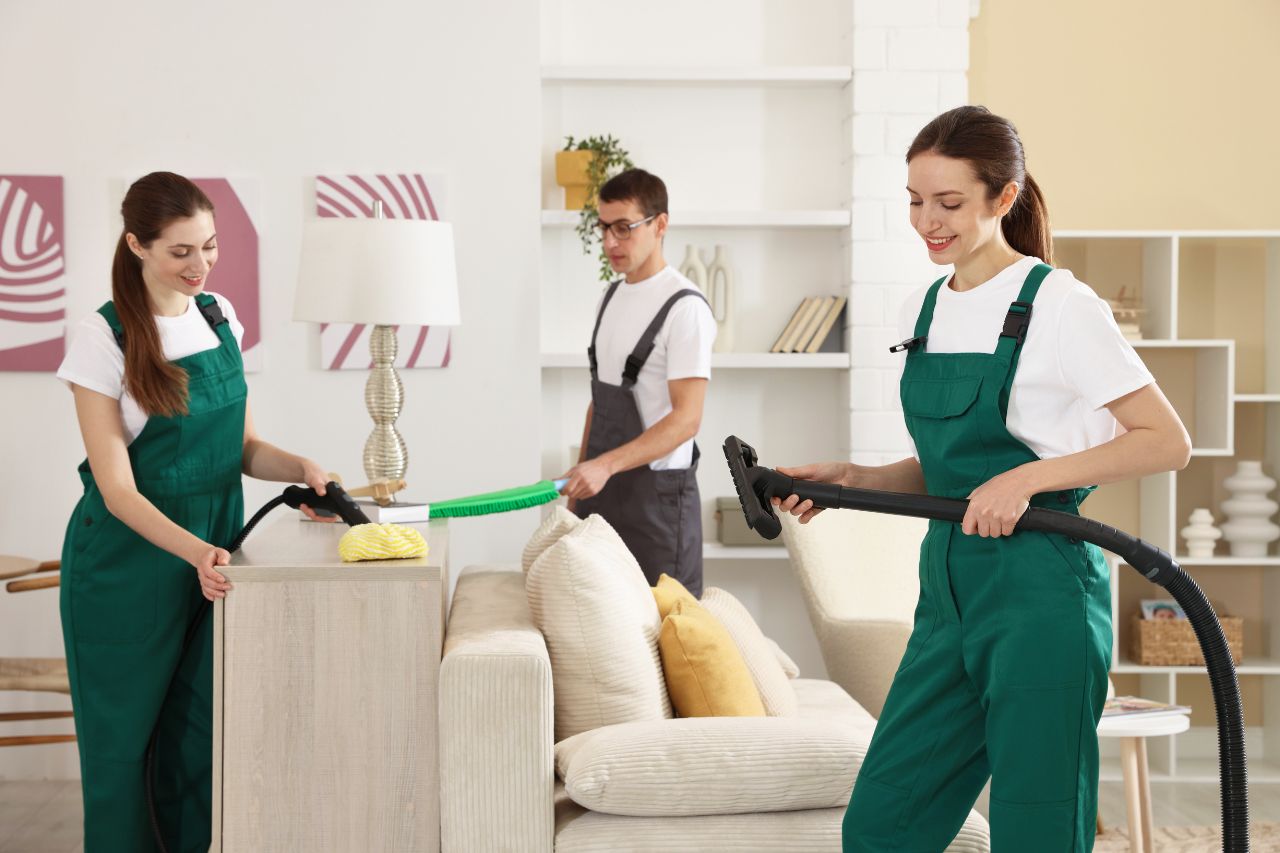
Regular vacuuming, mopping, and dusting can help keep floors and surfaces cleaner.
An NDIS cleaner can provide consistent assistance with these tasks, helping participants maintain their preferred level of household cleanliness.
7. Creates a More Comfortable Living Environment
A clean and organised home can make everyday living more comfortable. Clutter, dust, dirty surfaces, and unclean areas can make a space feel less inviting.
Professional cleaning support can help maintain bedrooms, living rooms, kitchens, bathrooms, and other commonly used areas.
This can contribute to a home environment that feels more pleasant and easier to manage.
8. Supports Individual Cleaning Preferences
Every household has different cleaning needs and routines. An NDIS cleaner can follow the agreed plan while adapting to participant preferences and priorities.
- Prioritise specific rooms or areas
- Focus on preferred cleaning tasks
- Adjust cleaning based on individual needs
- Discuss priorities before starting the service
9. Provides Consistent Cleaning Support
Maintaining a regular cleaning routine can be easier when cleaning services are scheduled consistently.
Depending on individual requirements and approved arrangements, cleaning support may be provided according to a suitable schedule.
Regular assistance can help prevent cleaning tasks from accumulating and becoming more difficult to manage.
10. Can Support Independent Living
For many people, maintaining their own home is an important part of independence. However, needing assistance with household cleaning does not necessarily mean giving up control over daily routines.
Cleaning support can allow participants to remain involved in decisions about how their home is maintained.
Participants can communicate their preferences, priorities, and routines while receiving assistance with tasks that may be difficult to complete independently.
11. Can Help With Different Areas of the Home
An NDIS cleaning service may support various areas depending on the agreed scope of work.
These may include:
- Bedrooms
- Living rooms
- Kitchens
- Bathrooms
- Hallways
- Common areas
- Other household spaces
The exact services can vary, so participants should discuss their requirements with the provider before starting.
12. Uses Professional Cleaning Equipment and Products
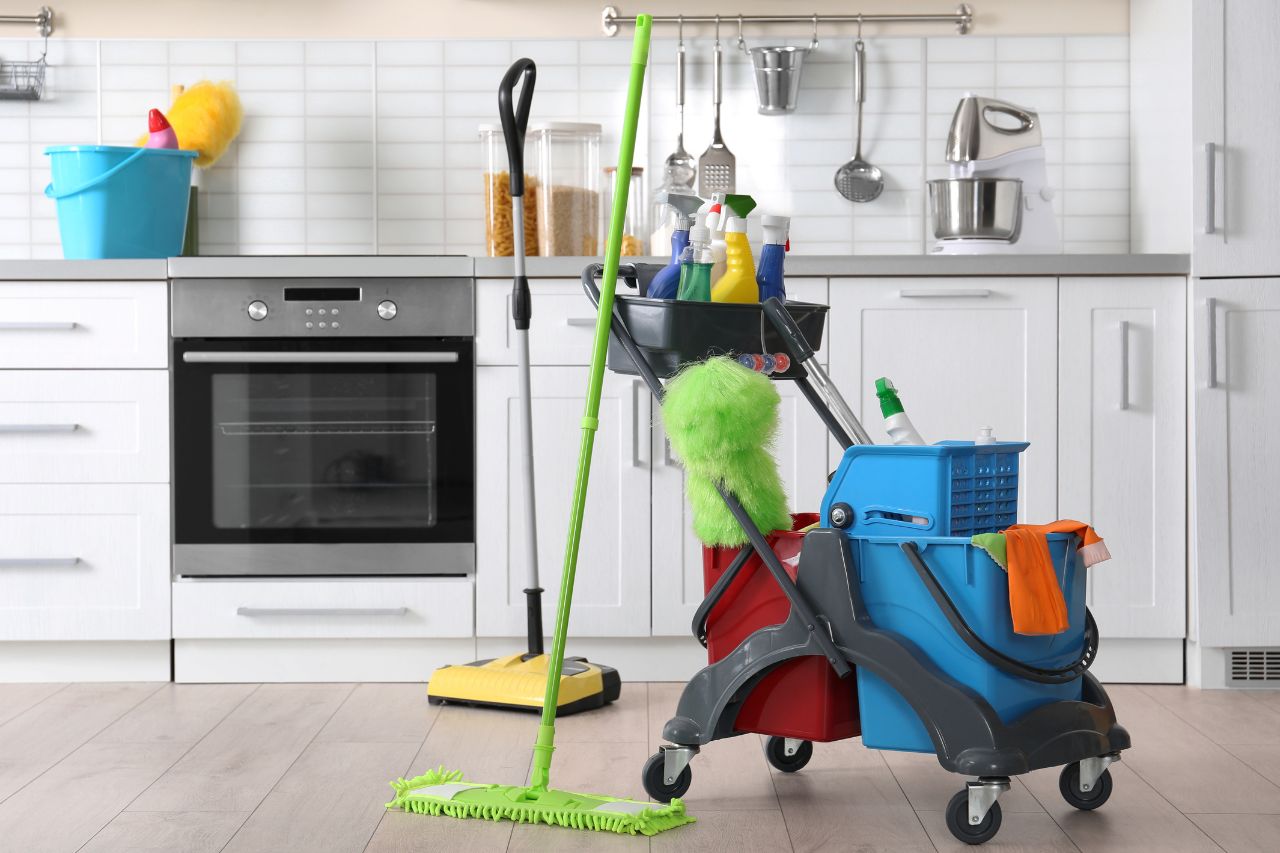
Professional cleaners typically use appropriate equipment and cleaning products for different household surfaces.
This may include vacuum cleaners, mops, microfiber cloths, brushes, and suitable surface-cleaning products.
Where specific products are required due to household preferences or surface materials, participants can discuss these requirements with the cleaning provider.
13. Helps Maintain a More Organised Routine
Regular cleaning makes household tasks easier to manage and prevents dirt and clutter from building up.
Scheduled cleaning support can provide structure to household maintenance.
A consistent routine may make it easier to keep commonly used areas clean and reduce the amount of cleaning that needs to be completed at one time.
14. Provides Practical Support for Busy Households
Cleaning needs can become difficult to manage when participants also have appointments, work, study, family responsibilities, or other daily activities.
Professional cleaning support can help reduce the time and effort required for routine household cleaning.
This allows participants to focus on other priorities while their home receives the agreed cleaning assistance.
15. Supports a Personalised Approach
A good cleaning service should recognise that participants have different needs, homes, preferences, and routines.
Instead of assuming that every household requires the same service, an NDIS cleaner can discuss the participant’s requirements and establish an appropriate cleaning routine.
This may involve determining which areas require regular attention, which tasks should be prioritised, and how frequently cleaning should take place.
Choosing an NDIS Cleaner
When choosing an NDIS cleaning provider, participants and their support networks should consider several factors.
Look for:
- Experience providing disability-related cleaning support
- Clear communication
- Reliable scheduling
- Appropriate insurance and business practices
- Suitable cleaning equipment
- Respect for privacy and personal preferences
- Clear service inclusions
- A professional and respectful approach
It is also important to discuss whether the cleaning service is suitable for the participant’s individual NDIS plan and approved supports.
Final Thoughts
An NDIS Cleaner can provide practical support with tasks such as vacuuming, mopping, and cleaning kitchens and bathrooms, helping maintain a clean and comfortable home.
Cleaning support should reflect the participant’s needs, preferences, routines, and approved supports. A reliable service can make household tasks more manageable while helping participants maintain greater comfort and independence.