
A home can look tidy without being truly clean. Daily sweeping, wiping and vacuuming handle visible surfaces, but some parts of the house receive little attention. Dust settles behind furniture, grease sticks to cabinet edges, and dirt collects in forgotten corners.
That is where a deep cleaning service can make a noticeable difference. A quick inspection can reveal forgotten spots around the home. Instead of focusing only on visible mess, it looks at areas that need more time and care. Whether you are preparing for guests, moving into a new home, or simply feeling that your usual routine is no longer enough, these seven areas deserve attention.
1. Kitchen Cabinets and Cupboards
Kitchen cabinets deal with more than plates and cooking ingredients. Over time, tiny food particles, dust and cooking grease can settle on cabinet doors, handles, hinges and shelves. The tops of upper cabinets can also collect a surprisingly thick layer of dust, especially when they are rarely reached.
During a thorough clean, do not focus only on the cabinet fronts. Emptying selected cupboards and wiping their interiors can help remove crumbs and residue that have been sitting there for weeks or months. Handles and edges should also receive attention because they are touched regularly.
A simple checklist can include:
- Cabinet handles and knobs
- Shelf corners and edges
- The tops of upper cabinets
- Areas around the sink and cooking zone
- Cupboard interiors where suitable
Taking care of these details can make the kitchen feel fresher without requiring major changes.
2. Behind and Under Large Appliances
Large appliances are useful, but they are not exactly easy to move. As a result, the spaces behind and underneath refrigerators, washing machines, ovens and other appliances can become forgotten zones. Dust, hair, crumbs and small spills may accumulate there over time.
You do not necessarily need to move every appliance yourself. If an appliance is heavy, connected to water or gas, or difficult to access safely, it is better to leave it in place and ask what the cleaning provider can reasonably reach.
Even when the floor looks spotless, hidden sections can remain dusty.
3. Bathroom Corners and Hard-to-Reach Areas
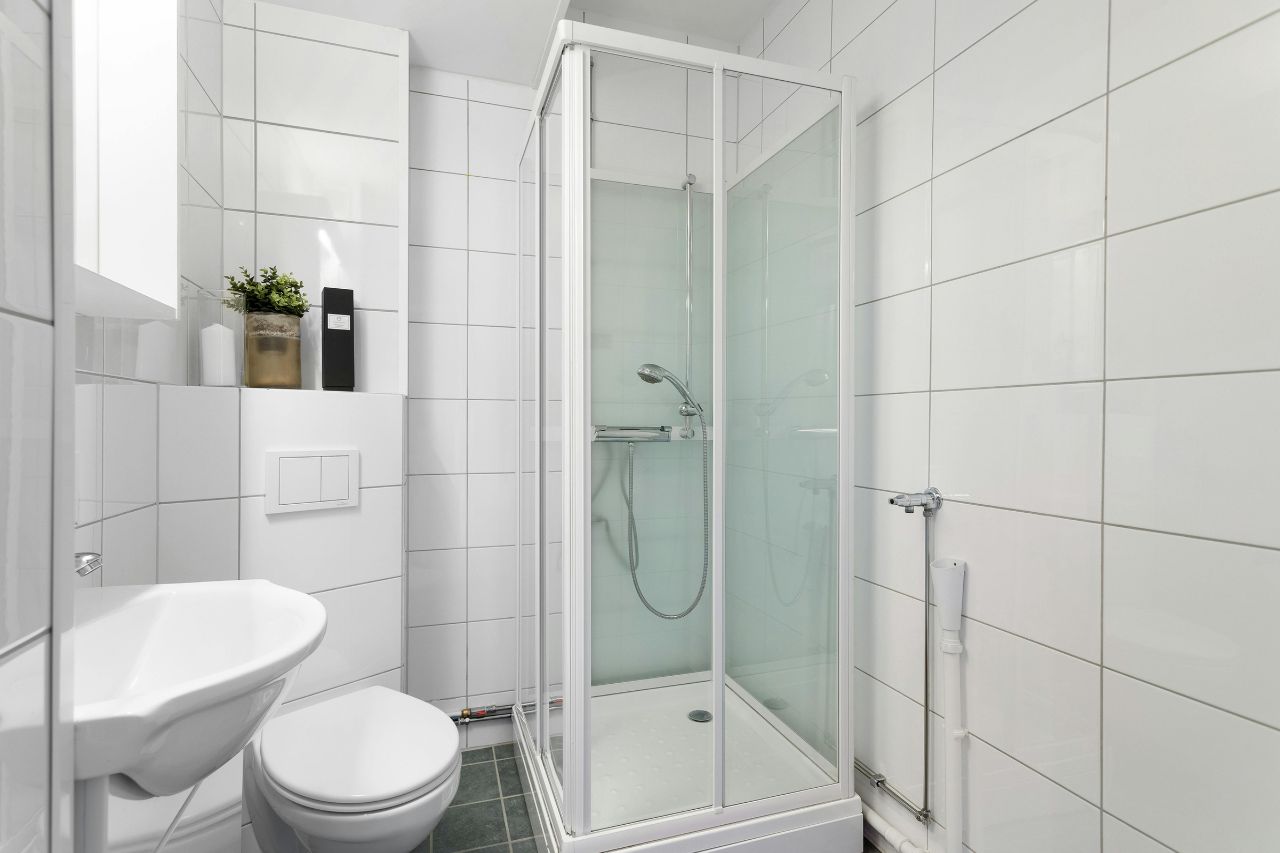
Bathrooms need regular cleaning because moisture, soap residue and everyday use can leave marks quickly. However, people often concentrate on the toilet, sink and main shower area while overlooking the less obvious sections.
Look closely at grout lines, shower corners, behind the toilet, around taps and along floor edges. These spaces can collect residue and dirt that are not always obvious from a distance. Areas around drains can also need extra attention, particularly when hair and product residue have accumulated.
A proper cleaning approach should consider the materials being treated. Harsh products may damage certain surfaces, so the cleaning method should match the tile, stone, metal or sealant involved.
4. Windows, Frames and Window Tracks
Clean glass can make a room look brighter, but the window itself has more than one surface. Frames, ledges and tracks can gather dust, insects and small pieces of outdoor debris. Sliding windows can be especially easy to overlook because dirt may sit inside the track where it is not immediately visible.
When cleaning windows, pay attention to the corners and grooves rather than simply wiping the glass. Removing loose debris before wiping can also prevent muddy residue from forming.
Once the tracks and frames are clean, even older windows can appear better maintained.
5. Ceiling Fans, Light Fixtures and High Surfaces
Dust does not only settle at floor level. Ceiling fans, light fixtures, tall shelves, cabinet tops and other elevated surfaces can collect dust for long periods because they are outside the normal reach of most daily cleaning routines.
High surfaces are particularly worth checking before the floor is cleaned. Dust loosened from a fan or shelf can fall downward, meaning it makes sense to work from higher areas toward lower ones.
Check which surfaces can be safely reached and whether ladders or specialised equipment are required.
6. Upholstery, Mattresses and Soft Furnishings
Soft furnishings are another area that can be easy to underestimate. Sofas, cushions, mattresses, fabric chairs and curtains are exposed to everyday use and can collect dust, hair, crumbs and other debris.
Vacuuming the surface can help, but some fabrics may need a more suitable cleaning method depending on their material and condition. Mattresses, for example, should be treated carefully because excessive moisture can create its own problems.
Before cleaning upholstery, check the manufacturer’s care instructions where available. Ask the cleaner what method will be used and whether special handling is needed.

7. Frequently Touched but Forgotten Surfaces
Some of the most overlooked areas are surprisingly small. Door handles, light switches, cabinet handles, handrails, remote controls and other frequently touched surfaces can disappear into the background of a cleaning routine.
Because they are used so often, these surfaces deserve a place on the cleaning checklist. They should not be forgotten simply because they are small.
Walk through the home and make a quick list of surfaces that people regularly touch. This can help the cleaner focus on your priorities.
What to Check Before Booking a Deep Cleaning Service
Not every cleaning package covers the same tasks. Before you schedule deep cleaning service, take a few minutes to understand what is actually included. A lower price may cover fewer areas, while a more detailed package may include additional work.
Ask the provider:
- Which rooms and surfaces are included?
- Are hard-to-reach areas covered?
- Is appliance cleaning included, and how much access is provided?
- Are upholstery, mattresses or curtains part of the service?
- Are cleaning products and equipment supplied?
- Are there additional charges for extra areas?
- Can you request specific areas that need more attention?
It is also useful to describe your home honestly. Mention pets, recent renovations, stubborn stains, heavily used rooms or surfaces requiring special care. Clear information helps the cleaner understand the job before arriving.
A good cleaning plan is about identifying neglected areas and giving them the attention they need.
Conclusion
A home does not have to look dirty for certain areas to need a deeper clean. Kitchen cabinet interiors, appliance gaps, bathroom corners, window tracks, high surfaces, soft furnishings and frequently touched spots can all be missed during ordinary household cleaning.
Taking time to identify these areas can make a cleaning session more organised and useful. Whether you handle the work yourself or hire a professional, a clear checklist can prevent small but important details from being forgotten.
When you want an expert deep clean, discuss your priorities with the cleaning provider beforehand. That simple conversation can help set realistic expectations and make sure the areas that matter most to your household receive proper attention.