


A clean home is more than just visually appealing—it plays a vital role in your health, enhances daily comfort, and supports your overall well-being. While regular cleaning helps maintain day-to-day tidiness, it often misses hidden dirt, allergens, and bacteria that accumulate over time. This is where a deep residential clean comes in.
In this comprehensive guide, you’ll learn what deep cleaning truly entails, why it matters, and how to do it effectively to create a healthier living environment for you and your family.
What Is a Deep Residential Clean?
A thorough residential clean extends beyond routine housekeeping tasks, including vacuuming, sweeping, and wiping down surfaces. It involves thoroughly cleaning areas that are often neglected during regular cleaning sessions. This includes hard-to-reach spots, hidden corners, and buildup that develops over weeks or months.
Unlike standard cleaning, deep cleaning focuses on:
- Removing embedded dirt and grime
- Eliminating bacteria, allergens, and mold
- Restoring surfaces to a near-original condition
Think of it as resetting your home to a truly clean baseline.
Why Deep Cleaning Is Essential for a Healthier Home
1. Improves Indoor Air Quality
Dust, pet dander, and allergens can accumulate in carpets, upholstery, and air vents. Over time, these particles circulate through your home, affecting air quality. Deep cleaning removes these pollutants, making it easier to breathe—especially for those with allergies or asthma.
2. Reduces Germs and Bacteria
Kitchens, bathrooms, and frequently touched surfaces are hotspots for germs. A deep clean sanitizes these areas, lowering the risk of illness and creating a safer environment.
3. Prevents Mold and Mildew
Moisture-prone areas such as bathrooms and kitchens can develop mold if not properly cleaned. Deep cleaning helps eliminate hidden moisture and prevents mold growth, which can cause respiratory issues.
4. Extends the Life of Your Home and Furnishings
Dirt and grime can wear down surfaces over time. Regular deep cleaning protects flooring, furniture, and appliances, helping them last longer and function better.

Key Areas to Focus On During a Deep Clean
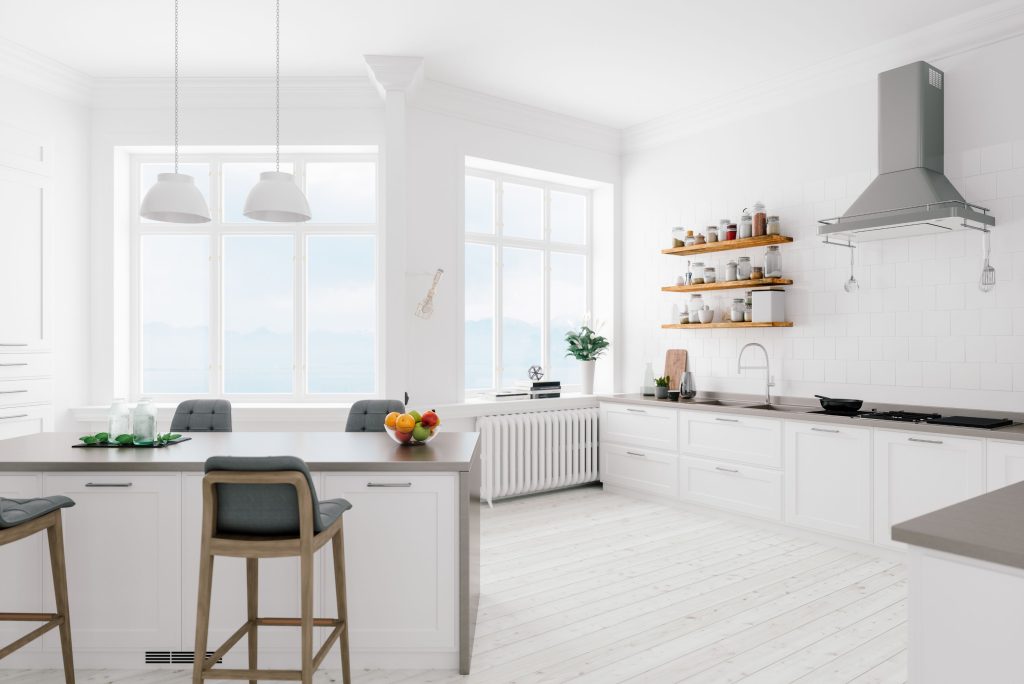
1. Kitchen
The kitchen is one of the most used areas in any home, making it a top priority.
- Clean behind and under appliances
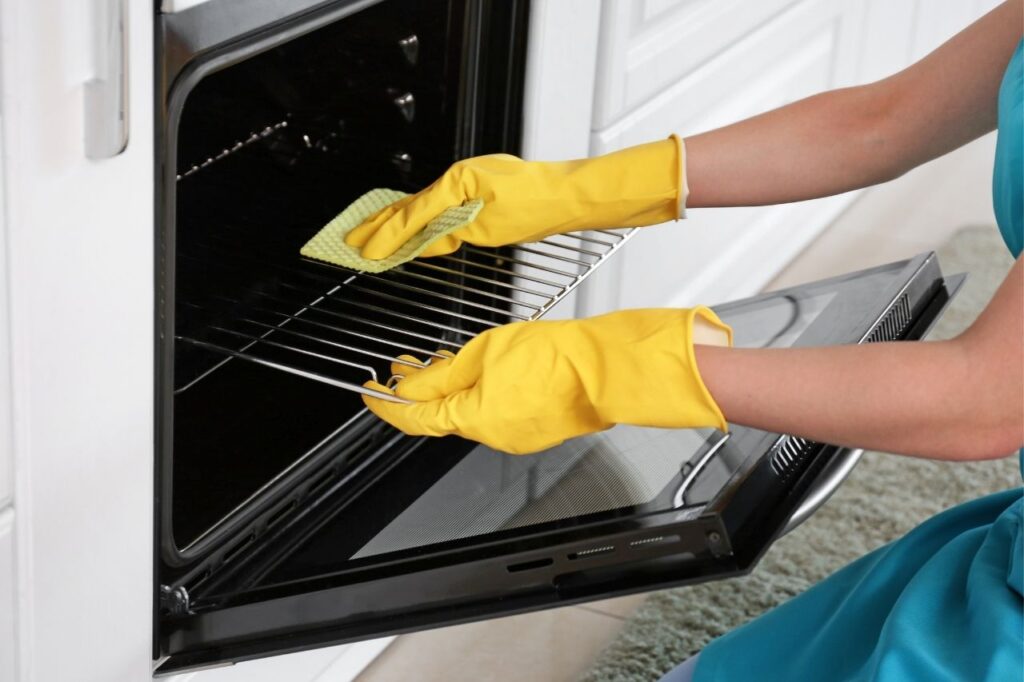
- Degrease stovetops, ovens, and range hoods
- Disinfect countertops and backsplashes
- Empty and sanitize the refrigerator
- Clean cabinet interiors and handles
2. Bathroom
Bathrooms require thorough cleaning to eliminate bacteria and prevent mould.
- Scrub tiles and grout
- Disinfect sinks, toilets, and showers
- Remove soap scum and limescale
- Clean mirrors and fixtures
- Wash bath mats and shower curtains
3. Living Areas
These spaces may look clean, but often harbor dust and allergens.
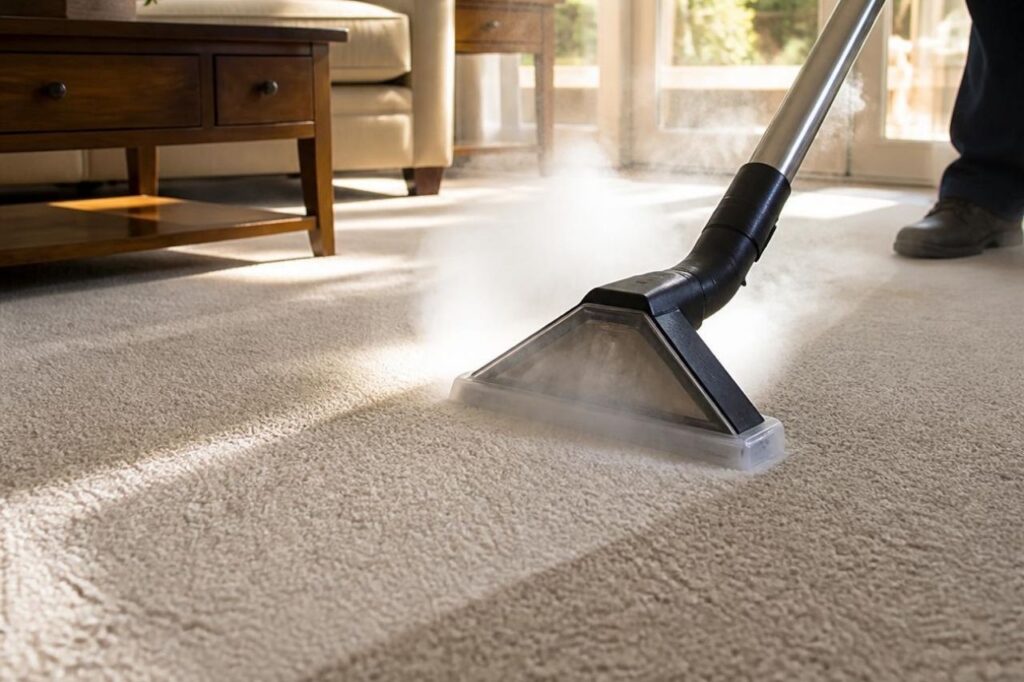
- Vacuum carpets and upholstery thoroughly
- Dust and wipe all surfaces, including shelves and décor
- Clean curtains and blinds
- Wipe down electronics and remote controls
- Clean under furniture
4. Bedrooms
A clean bedroom promotes better sleep and overall comfort.
- Wash bedding, pillows, and mattress covers
- Vacuum and rotate mattresses
- Dust wardrobes and clean inside drawers
- Organize and declutter
5. Hidden and Overlooked Areas
Deep cleaning is all about tackling the spots you don’t usually think about.
- Baseboards and skirting boards
- Ceiling fans and light fixtures
- Air vents and filters
- Door frames and handles
- Behind large furniture
Ready for a Healthier Home?
Book your deep residential clean today and experience the difference a truly spotless home can make.
Step-by-Step Deep Cleaning Process
Step 1: Declutter First
Before you start cleaning, remove unnecessary items. Decluttering makes the process more efficient and ensures you can access all surfaces.
Step 2: Work From Top to Bottom
Always clean higher areas first, such as ceilings, fans, and shelves. Dust and debris will fall downward, allowing you to clean floors last.
Step 3: Use the Right Tools and Products
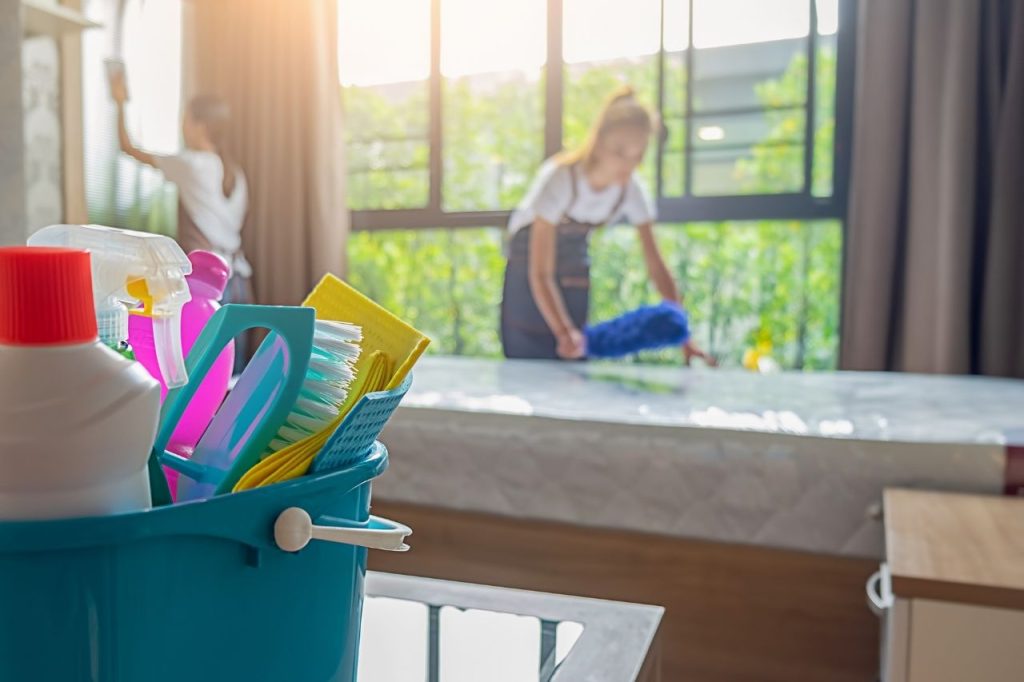
Invest in quality cleaning supplies such as:
- Microfiber cloths
- HEPA-filter vacuum
- Non-toxic disinfectants
- Scrub brushes and sponges
Using the right tools ensures better results and saves time.
Step 4: Focus on One Room at a Time
Deep cleaning your entire home can feel overwhelming. Divide the task into manageable sections and focus on completing one room at a time before moving on to the next.
Step 5: Don’t Forget Disinfection
Cleaning removes dirt, but disinfection kills germs. Pay special attention to high-touch surfaces such as doorknobs, switches, and handles.

How Often Should You Deep Clean?
The frequency of deep cleaning depends on your lifestyle, household size, and environment.
- Every 3–6 months: Ideal for most households
- Monthly: For homes with pets, children, or allergy sufferers
- Seasonally: A popular choice for maintaining a consistent routine
Regular deep cleaning ensures your home remains healthy and manageable.
DIY vs Professional Deep Cleaning Services
DIY Deep Cleaning
Doing it yourself can be cost-effective and gives you full control over the process. However, it requires time, effort, and the right equipment.
Best for:
- Smaller homes
- Regular maintenance
- Budget-conscious households
Professional Cleaning Services
Professional cleaners have the expertise, tools, and products to achieve a higher level of cleanliness.
Benefits include:
- Time-saving convenience
- Thorough and efficient results
- Access to specialized equipment
Best for:
- Busy homeowners
- Large or heavily soiled homes
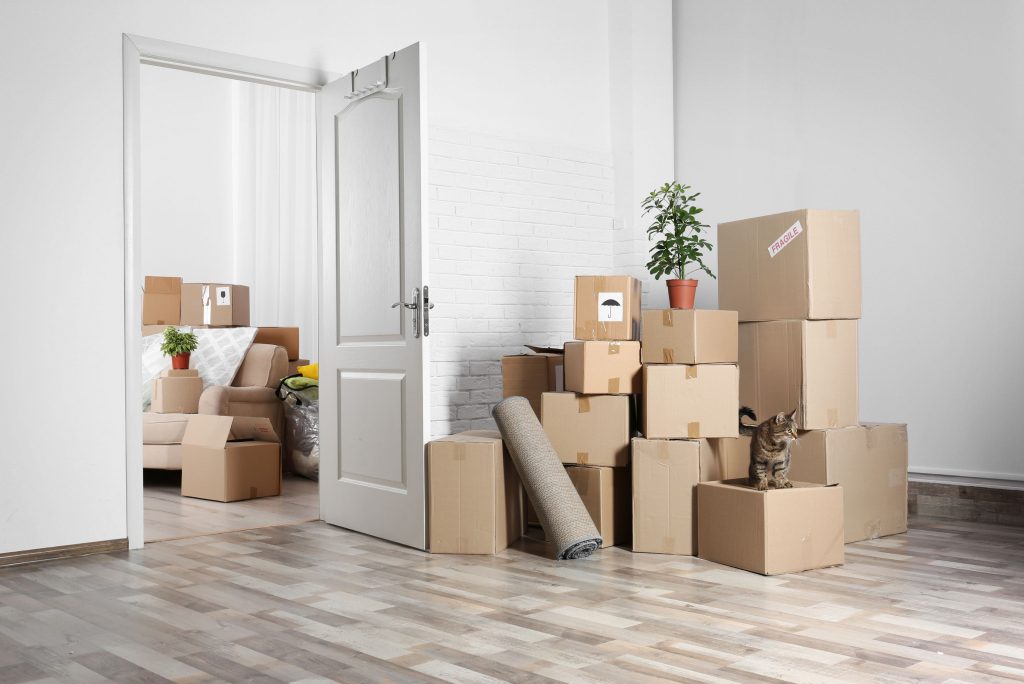
- Move-in or move-out cleaning
Tips for Maintaining a Clean Home After Deep Cleaning
Deep cleaning is only effective if you maintain the results. Here are some practical tips:
1. Create a Cleaning Schedule
Break tasks into daily, weekly, and monthly routines to prevent buildup.
2. Clean as You Go
Small habits—such as wiping surfaces after use—can significantly reduce the need for frequent deep cleaning.
3. Use Doormats and Remove Shoes
This minimizes dirt entering your home, keeping floors cleaner for longer.
4. Improve Ventilation
Good airflow helps reduce excess moisture and minimizes the risk of mold growth.
5. Declutter Regularly
Less clutter means fewer places for dust and dirt to accumulate.
Ready for a Healthier Home?
Book your deep residential clean today and experience the difference a truly spotless home can make.
Common Mistakes to Avoid
Even with the best intentions, it’s easy to make mistakes during deep cleaning.
- Skipping hidden areas: These are often the dirtiest spots
- Using too much cleaning product: This can leave residue and attract more dirt
- Ignoring cleaning tools: Dirty sponges and cloths can spread bacteria
- Rushing the process: Deep cleaning requires time and attention to detail
Avoiding these mistakes ensures a more effective and lasting clean.
The Impact of a Deep Clean on Your Lifestyle
A thoroughly cleaned home does more than improve hygiene—it enhances your quality of life.
- Reduced stress: A clean environment promotes relaxation
- Better productivity: Clutter-free spaces help you focus
- Improved sleep: Clean bedrooms contribute to better rest
- Enhanced mood: A fresh, organized home feels more inviting
Deep cleaning is not just a chore—it’s an investment in your health and happiness.
Conclusion
A deep residential clean is essential for maintaining a healthy, comfortable, and inviting home. By going beyond surface-level cleaning, you eliminate hidden dirt, reduce allergens, and create a safer environment for everyone.
Whether you choose to tackle it yourself or hire professionals, the key is consistency. With a consistent routine and careful attention to detail, you can enjoy the benefits of a truly clean home throughout the year.
If you’ve been relying solely on regular cleaning, now is the perfect time to take the next step. Your home—and your health—will thank you for it.
Transform Your Space with Ease
Experience simple cleaning solutions that help you maintain a tidy and welcoming home.